It is getting harder to come up with topics to write a blog about for this month. So for this week, I will talk about what makes a good website design from what I have learned about so far in class as well as from my book.
Any website should be visually appealing but also easy to read and navigate. You can’t overcrowd the website with many things happening at once like very flashy animations and graphics everywhere to the point that viewers are confused by it all.
The goal of your website is to inform people of certain services and keep people interested in visiting the said website. Therefore, if you have links that lead to other pages make sure that the link is set so that it can open in a new tab, that way viewers will be able to come back to your page easily.
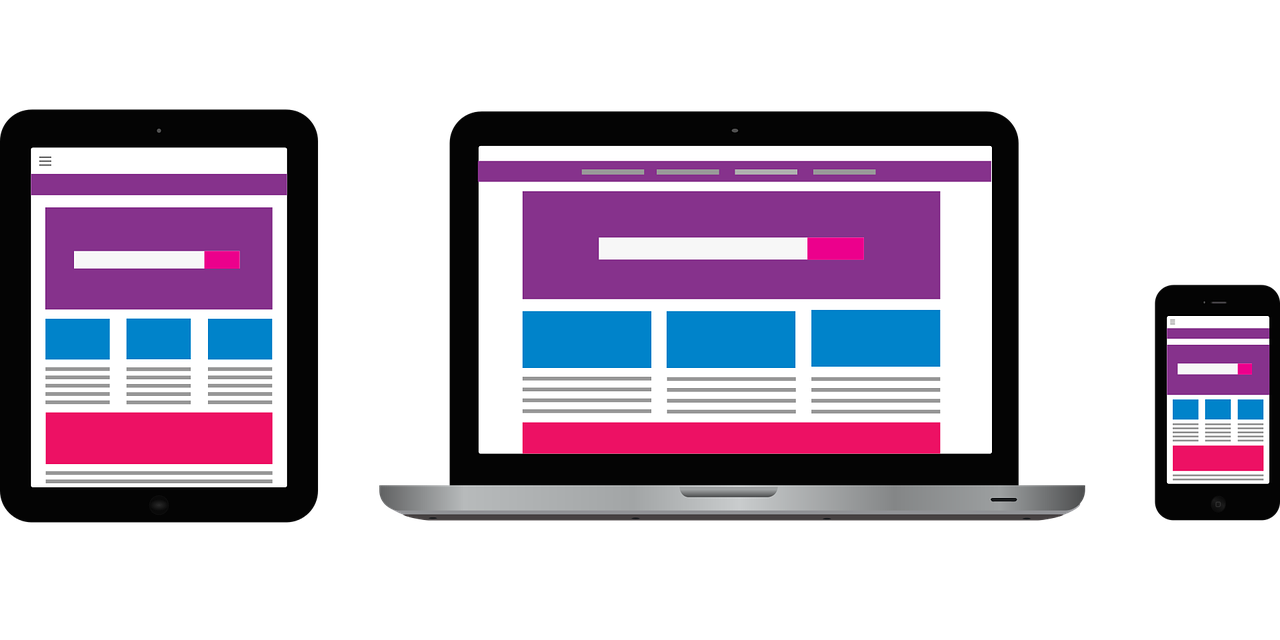
It is considered bad design if you need to have people scroll horizontally. This is because many devices can scroll vertically so there shouldn’t be a reason to scroll both vertically and horizontally. When creating the website one of your priorities must be working with the available width, not the height, and make adjustments according to the size of the devices you wish the website be seen on as the dimensions vary between devices.
Then there are also Graphic Design elements that make it a good website design. Things like fonts, overall layout, images, and colors highly influence whether the website is easy to read and if it is appealing enough to continue reading.

Lastly, but most importantly, keep in mind the loading time for the website. People tend to have a short attention span, if they have to wait more than 10 seconds for a website to load, it is less likely that they will keep waiting to read the contents of the website. Therefore things like image sizes and video sizes should be kept in mind as they greatly affect the loading time.
Reference:
Carey, P. (2016). New Perspectives on HTML5 and CSS3 Comprehensive (7th ed.). United States of America: Cengage Learning.





 Sheilian's Blog